Canon 台中相機收購,二手收購,收購相機,全新相機,二手相機 收購5D Mark IV,收購EOS-1D X Mark II,收購EOS M3/M10 收購canon canon 5Ds/5Ds R,,5D Mark III/6D II,7D Mark II 70D/80D,750D/760D,700D/100D 收購FUJIFILM 相機,全系列FUJIFILM 收購二手Nikon 相機,Nikon二手收購,全新Nikong買賣 D3400收購 Nikon 1 j5收購 D750 Df/D810/D610,D5/D4S,D500,D7200/D7500,D5500/D5300 OLYM
I still remember the very first time I laid eyes on a Final Fantasy game and, by extension, the original PlayStationconsole. It was the year 2000, and I was spending a weekend afternoon as I usually did: sitting in the carpeted basement of my friend Alex’s house and watching him play a video game I had never seen before.
This time around, it was a borrowed copy of a title with a name we’d only ever seen written on the cover of magazines. Alex had gotten his hands on it from the older neighbor of a fellow classmate who lived up the street and was, by all accounts, ahead of the curve when it came to cool new entertainment out of Japan. The game was kind of like Pokémon, Alex told me, except better and bigger in every way. (We had very little frame of reference for turn-based role-playing games at the time.) I could hardly imagine what that looked like.
But there it was, a copy of Final Fantasy IX playing out on his bulky, silver pre-HD television. I still remember the exact scene, even. It was during the first half of disc two, when you find yourself back at Alexandria Castle trying to rescue Princess Garnet from the main villain Kuja and Garnet’s brainwashed mother Queen Brahne. In Brahne’s chamber, the look of which is burned into my memory down to the exact location of the secret switch in the wall, you fight the second of your losing battles against General Beatrix. I was immediately enthralled.
Final Fantasy VII.
I was exclusively a Nintendo kid then. I received an N64 for my eighth birthday, and my game collection included the standard classics: Banjo-Kazooie, Ocarina of Time, GoldenEye. Before the launch of the first Xbox and the reign of the PS2, my primary console was my Game Boy. I can hardly remember a time in my elementary school years that I wasn’t toting around a copy of Pokémon. But I had begun pining for more than Nintendo. Through game magazines and TV commercials, and the accounts of Alex and other game-loving friends, I became aware of the PlayStation and the more quirky and offbeat experiences it played host to. Like Final Fantasy.
The first time I witnessed a game like Final Fantasy IX was mind-blowing
In a short but telling display, I took in the turn-based battle system, the stunning graphics and pre-rendered environments, the well-written dialogue, and the unbelievable battle animations — all of it was mind-blowing. I must play this, I remember thinking. Soon enough, after some desperate pleading and a very memorable Christmas, I had my hands on a PS1 and FFIX, and then the iconic FFVII and FFVIII after that. I would later discover FFVI and Chrono Trigger, both of which came as part of an English-language double-disc collection. By the time the PS2 launched and FFX arrived in December 2002, I was all-in.
My experience wasn’t an isolated one. In America, it was often more difficult to learn about Japanese RPGs unless you were reading the right magazines or visiting the right internet forums. But in many ways, discovering Final Fantasy became a defining moment in my relationship to both gaming and the PlayStation. And you could make the argument that Final Fantasy is the defining game series for 台中相機收購sony’s first home console, more so than Crash Bandicoot, Gran Turismo, Metal Gear Solid, or Tomb Raider. It’s easy to forget that the staggering impact of Squaresoft’s (now Square Enix’s) trio of 3D RPGs occurred, inexplicably, all within three years starting in 1997.
Final Fantasy VIII.
For kids like me, who had been feasting on a diet of Pokémon, DragonBall Z, and other popular Japanese exports, it was like discovering a whole new world. I had never played a proper RPG before. I wasn’t aware video games could even look that good; I would load specific saves of FFVII and others in the series just to watch certain cutscenes. The story was engrossing, and the worlds so realized that I can still recall the sense of pure wonder I felt exploring the open world by airship and, after hours of secret-hunting, by golden Chocobo.
I remember thinking how absurdly clever it was that FFVII went from low-poly graphics in the outer world, where I often spent most of my time reading dialogue and accessing my menu, to higher-poly models in the battle scenes, where I spent the bulk of the game’s interactive portion. When I was a kid, it seemed like that was just some clever behind-the-scenes production magic. Nearly two decades later, I would read a definitive account from the game’s creators on how monumental a technical feat it was to make any aspect of that game work as well as it did and in so short a time.
The PlayStation will forever be a Final Fantasy machine to me
The PlayStation will forever be a Final Fantasy machine to me, even if years later as a broke college student, I would forgo playing FFXIII on the PlayStation 3 because all I owned at the time was my Xbox 360. (I switched back to my PS4 for FFXV.) The two brands — PlayStation and Final Fantasy — are intertwined in my memories and always will be, and that’s true for the gaming industry as well.
Final Fantasy became the closest thing to a video game blockbuster for 台中相機收購sony when the company and Squaresoft cracked the international market with VII, VIII, and IX. Although many of the series’ principal design concepts were popularized in earlier iterations on Nintendo platforms, the 3D installments for the original PlayStation were groundbreaking for their use of full-motion video, photorealistic character models, and stunning blends of 3D environments with alternating levels of fidelity. The stories and their characters became instant hallmarks of the PlayStation brand, much in the same way Master Chief would become the Xbox mascot and the creations of Shigeru Miyamoto became the embodiments of Nintendo.
Final Fantasy IX.
FFVII in particular became a massively influential title, establishing the appetite for high-concept console RPGs in Western markets and showing off the technical prowess of the PlayStation at a time when it seemed like Nintendo couldn’t be beat. The game would go on to sell millions of copies around the world and establish a model for FFVIII and FFIX to follow. Up until then, RPG makers operated predominantly in the realm of high fantasy, and almost solely on PC.
But the team at Squaresoft, led by then-director Yoshinori Kitase and series creator Hironobu Sakaguchi, created an unprecedented formula. They showed how you could take elements of medieval fantasy, steampunk, and anime and combine them with complex, intricate game mechanics and groundbreaking technical leaps to create something that resonated with players all over the world. Never once did I feel like I was playing something by and for a Japanese audience; Final Fantasy games felt universal.
For a brief period, Final Fantasy reigned supreme, and PlayStation was the only way you could play it
台中相機收購sony ultimately moved on from Final Fantasy, choosing the creations of its slew of in-house studios to become the faces of its platform as Squaresoft morphed into Square Enix and diversified the types of games it developed. But for a brief period in the early rise of PlayStation, Final Fantasy reigned supreme, and the only way you could play it was plugging in a 台中相機收購sony console and buying the series’ hulking, multi-disc sets. (Now, with the first portion of the FFVII: Remakedue out in March of next year as a PlayStation 4 exclusive, it looks like 台中相機收購sony and Square’s unique relationship with regard to Final Fantasy has come full circle.)
So much of that era feels quaint now, and being able to play FFIX on the phone in my pocket is something I could never have imagined 20 years ago. But I’ve never lost sight of the fact that those games were on the bleeding edge of what was possible from a technical perspective, and unprecedented in their scope from a narrative one. I still look forward to playing them again years from now, when they’ll remind me of sitting on bedroom floors and feeling like I was walking into the future every time I picked up my PlayStation controller.
Vox Media has affiliate partnerships. These do not influence editorial content, though Vox Media may earn commissions for products purchased via affiliate links. For more information, see our ethics policy.
第二支值得期待的手機是,三星的摺疊機GALAXY Z Fold6和Z FLIP 6。不過在相機方面,可能會採用與前一代相同的相機,這意味著規格可能與2022年的Galaxy Z Fold4相同。但也有好消息,即可能會有第三款新品加入,即傳聞已久的Galaxy Z Fold6 Ultra。如果這一傳言屬實,原本的Galaxy Z Fold6可能會變成較為親民的版本,而Ultra系列可能會加入更多新技術和獨家功能。
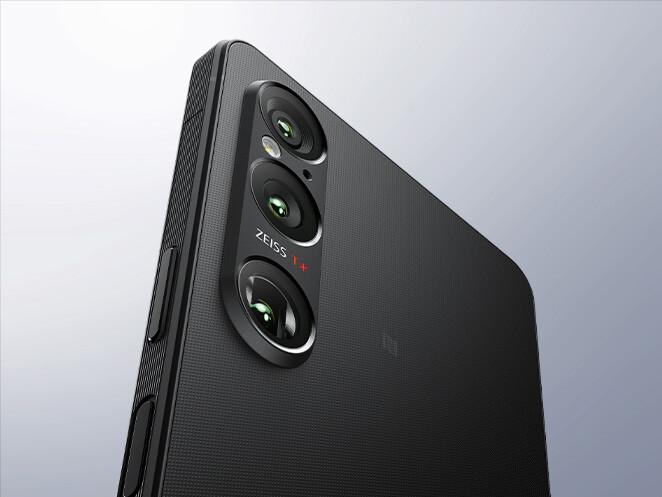
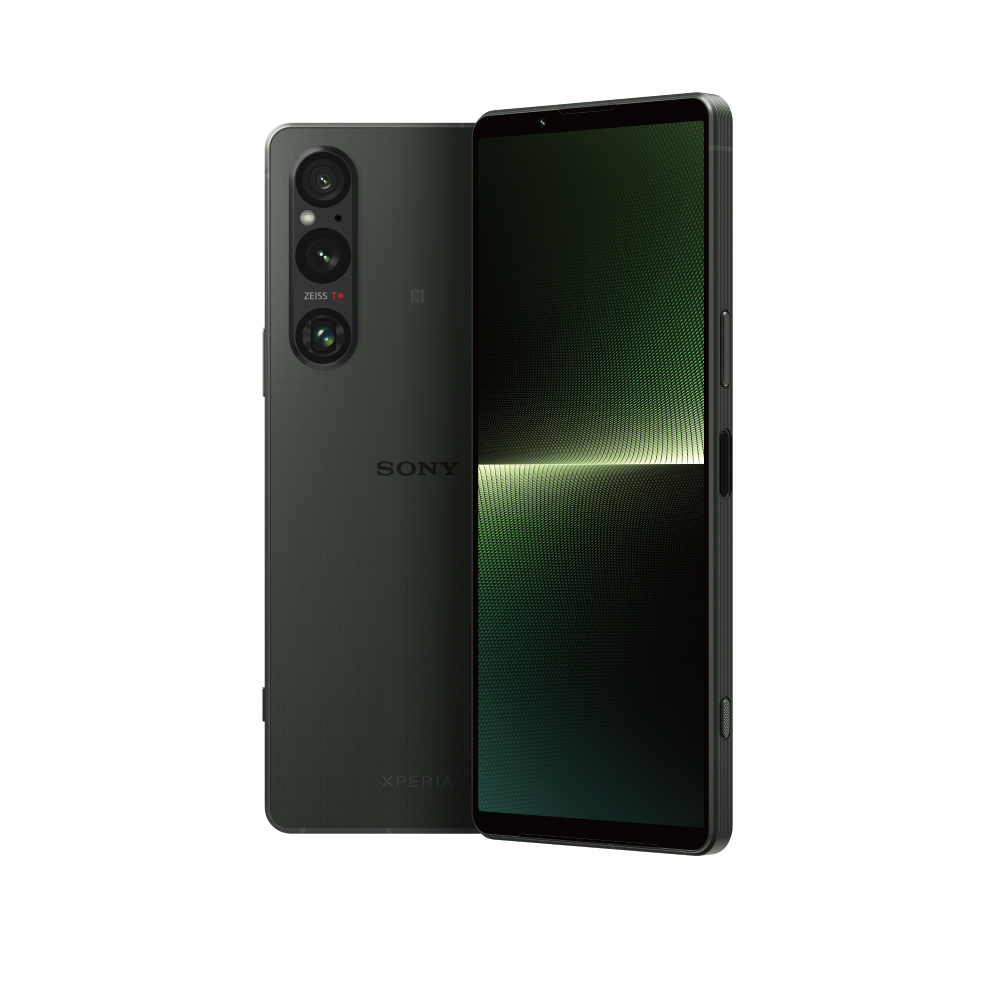
根據流出的官方照片,可以發現 Xperia 1 VI 外型仍與前代十分相似,背蓋仍有霧面的顆粒紋理以及 V 型的凹槽,防止手機滑動。正面螢幕依舊是有完整的額頭、下巴,沒有採用任何挖孔或是劉海前鏡頭,目測來看,Xperia 1 VI 並沒有 Xperia 1 V 這麼狹長,可能與先前爆料傳出的消息有關,台中相機收購sony 把機身比例從 21:9 改為 19.5:9,變得更為寬矮。
請繼續往下閱讀…
(圖/翻攝 Evan Blass推特)
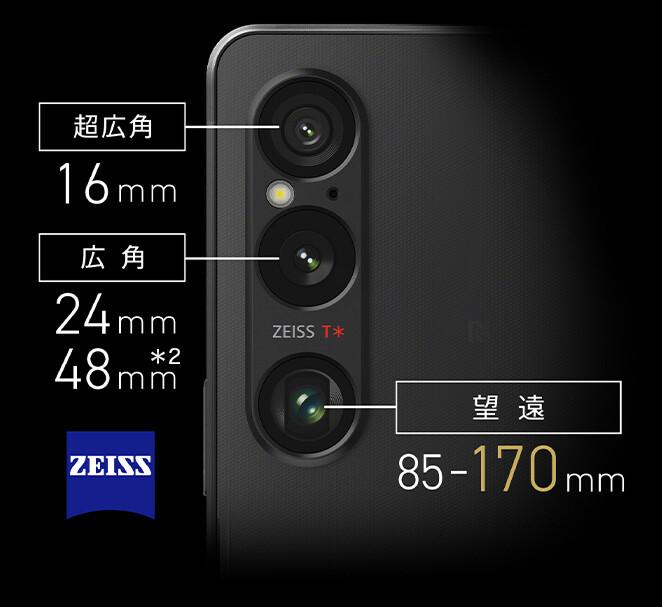
相機模組造型與前代相同,仍有蔡司 T 鍍膜、堆疊式 Exmor T 感光元件。超廣角是 16mm,廣角則是 24mm 再額外增加了 48mm 的兩倍無損變焦,長焦鏡頭的連續光學變焦改為 85-170mm,拓展至 7 倍的距離。
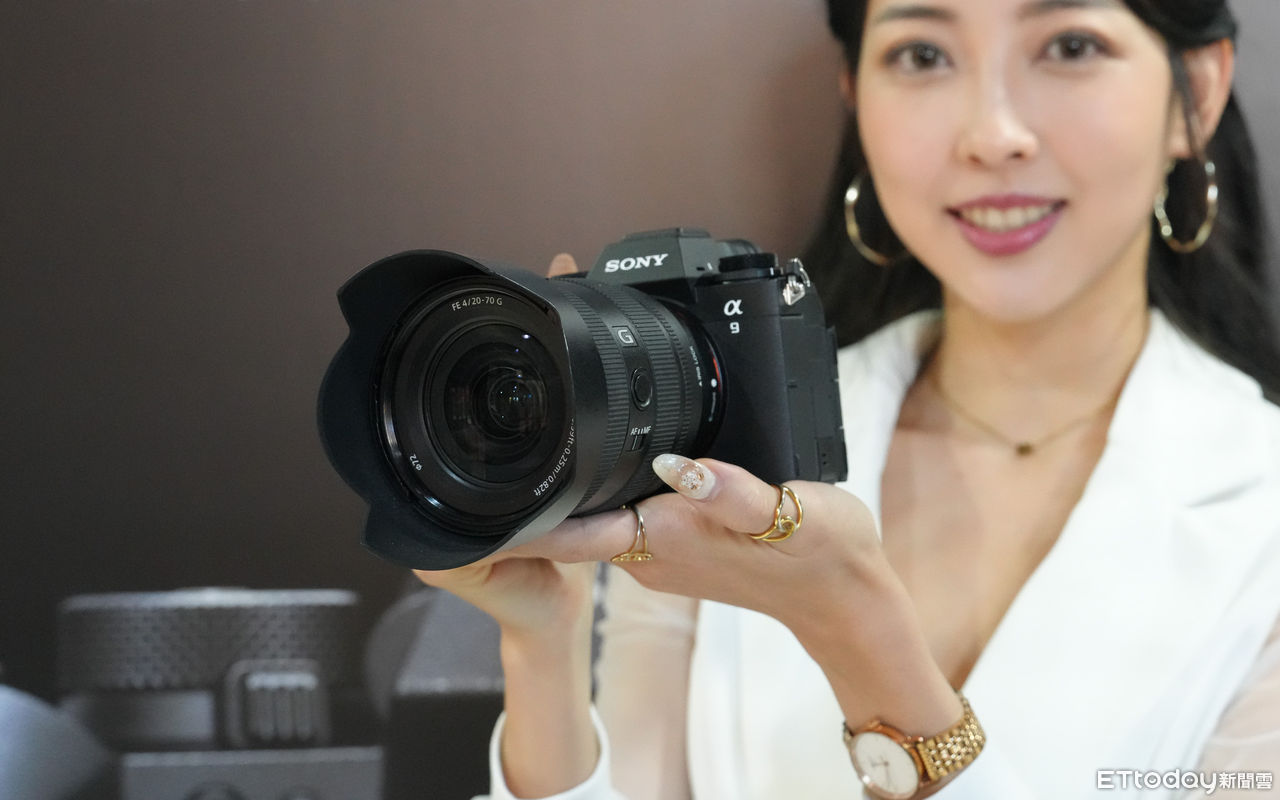
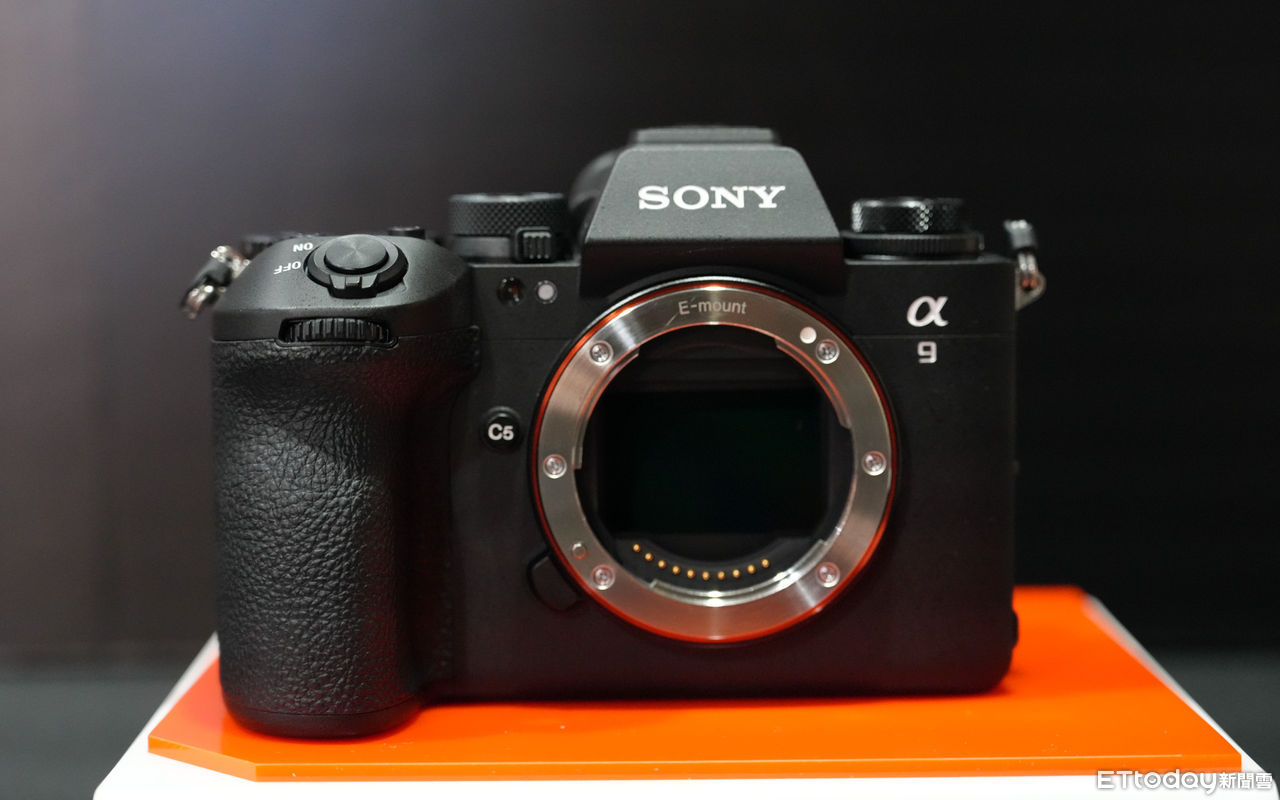
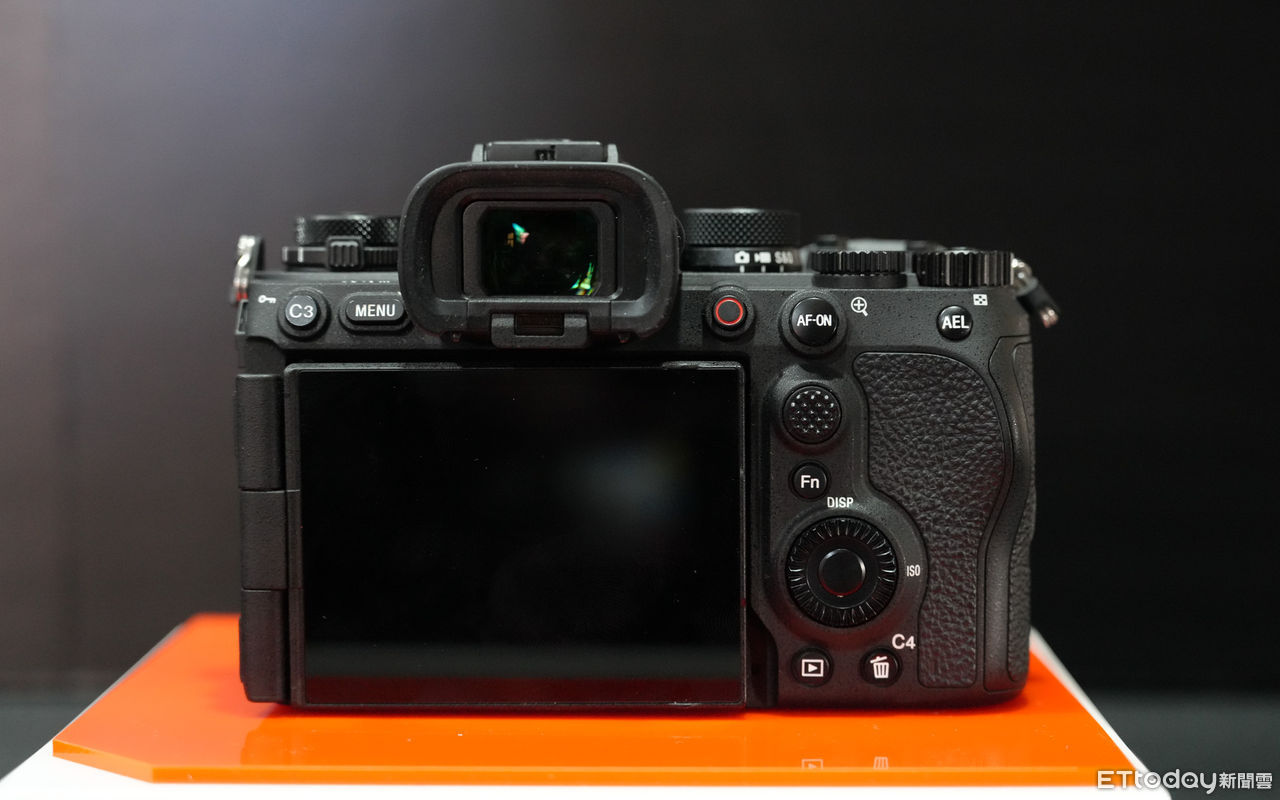
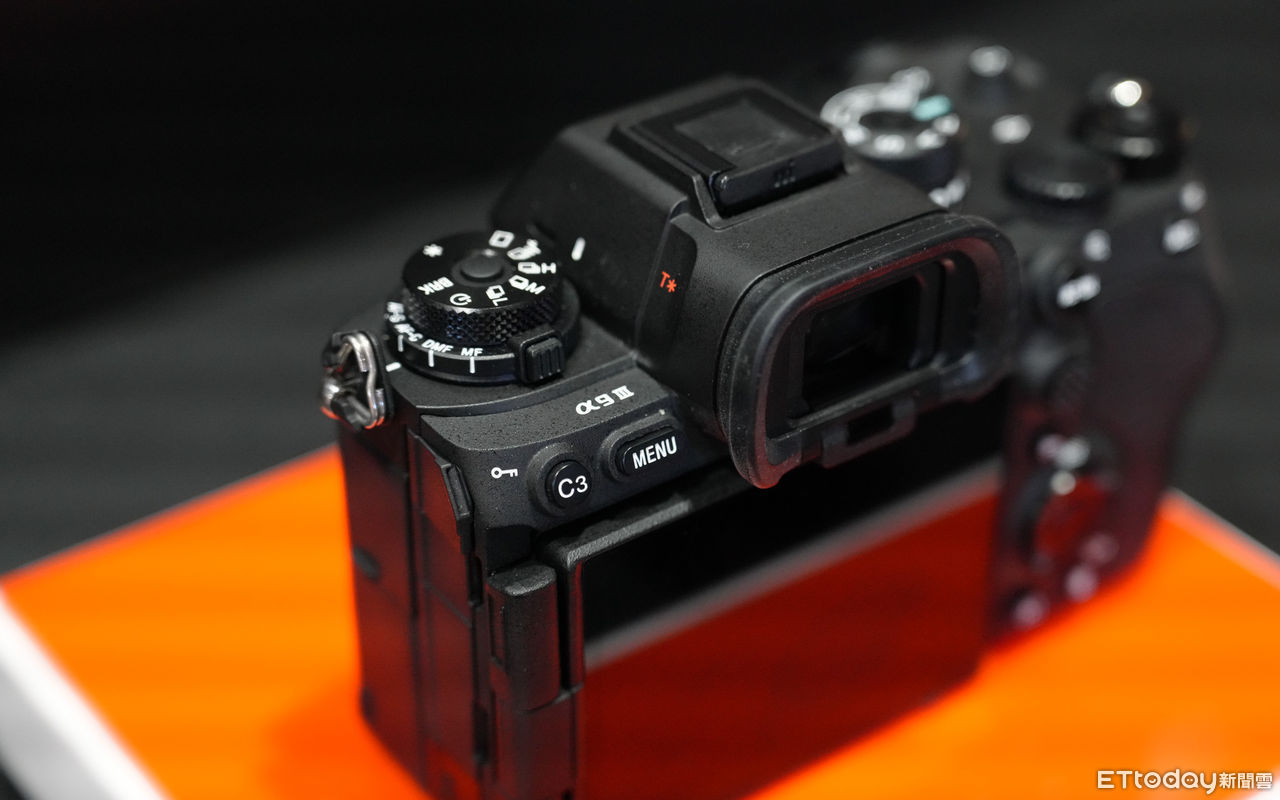
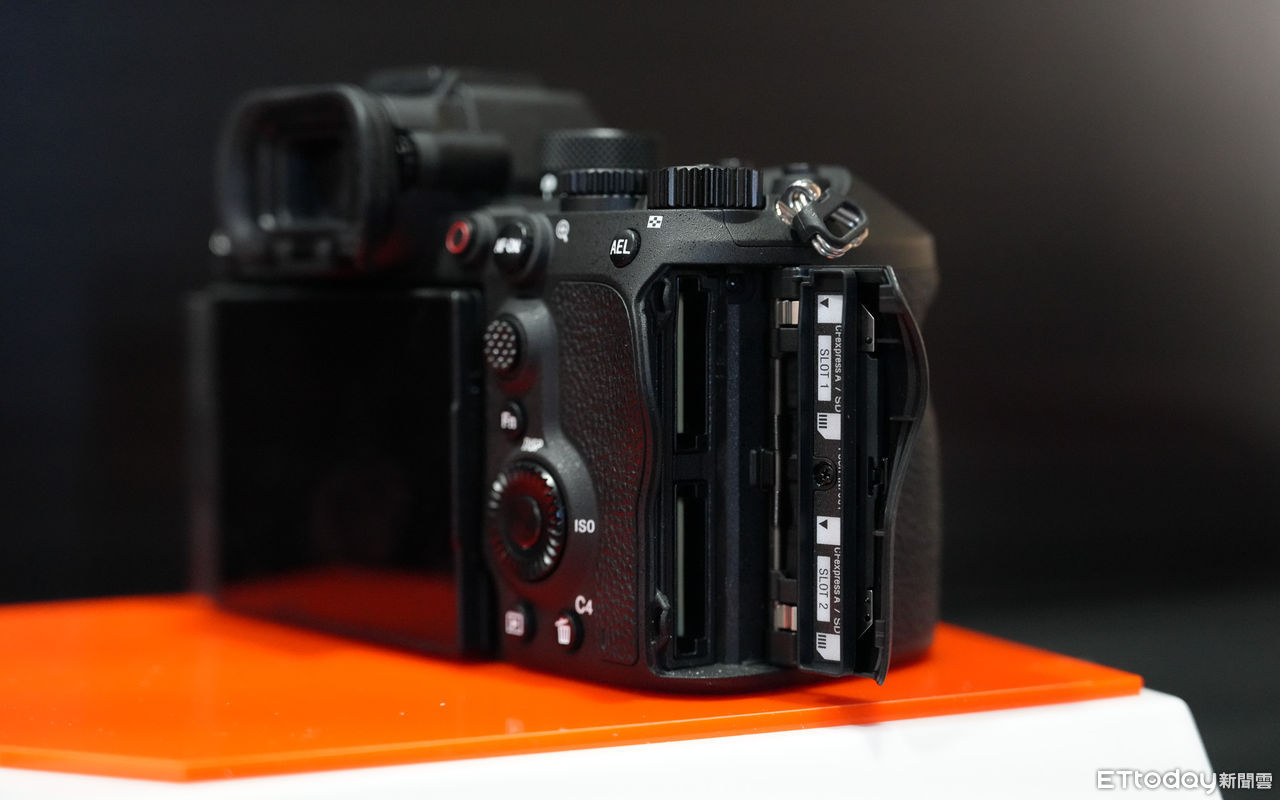
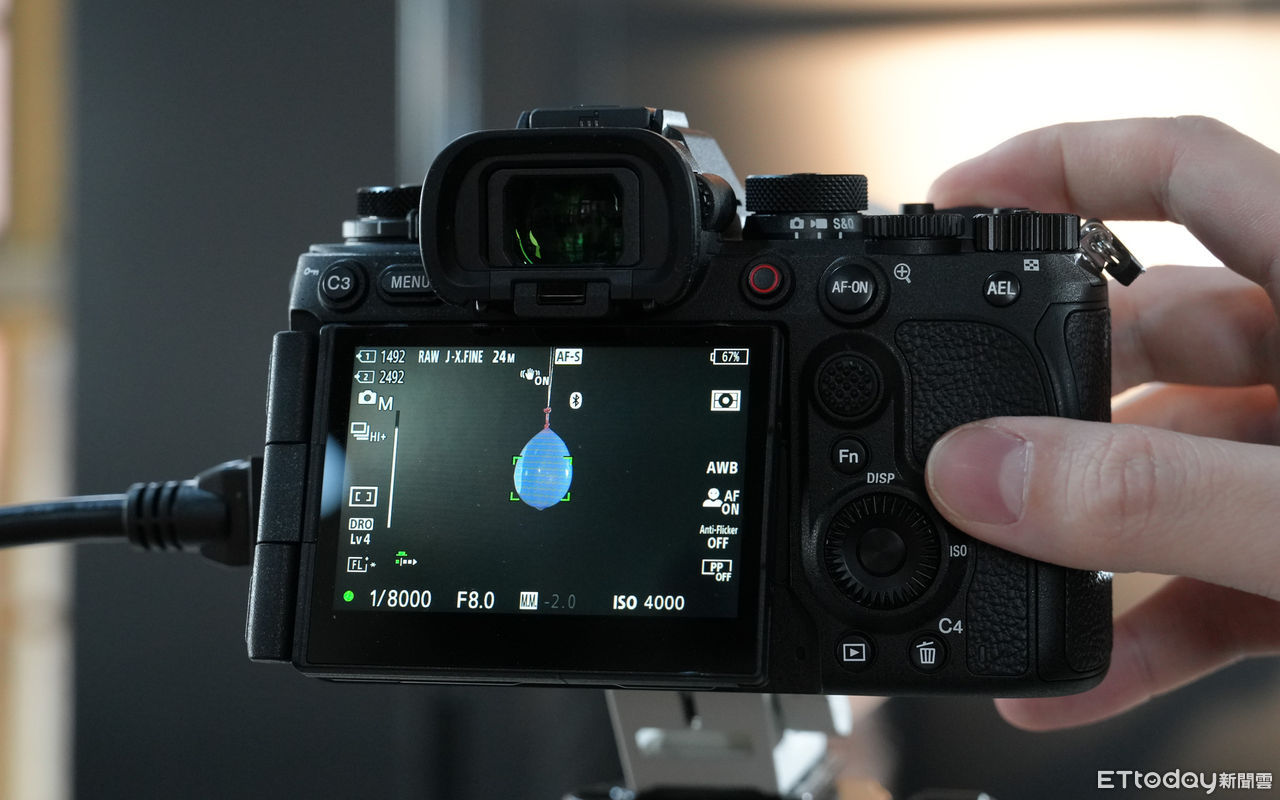
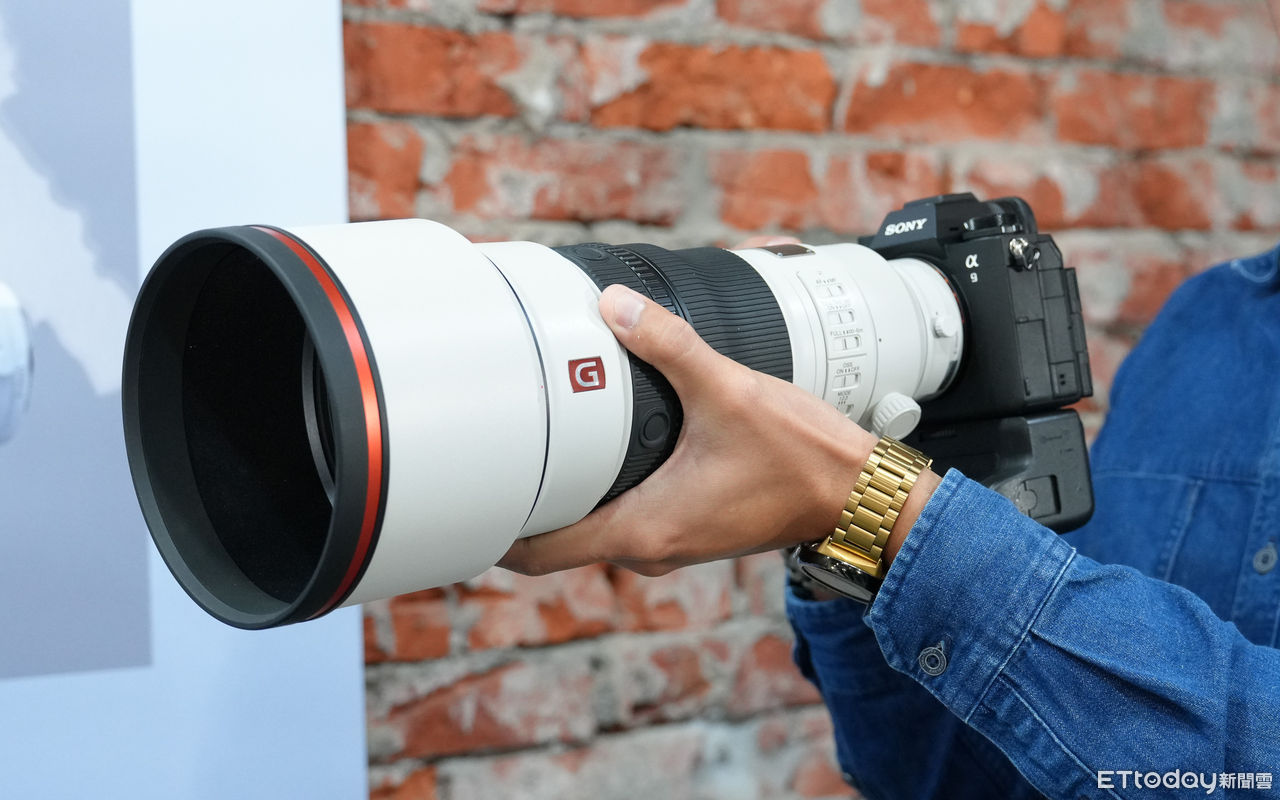
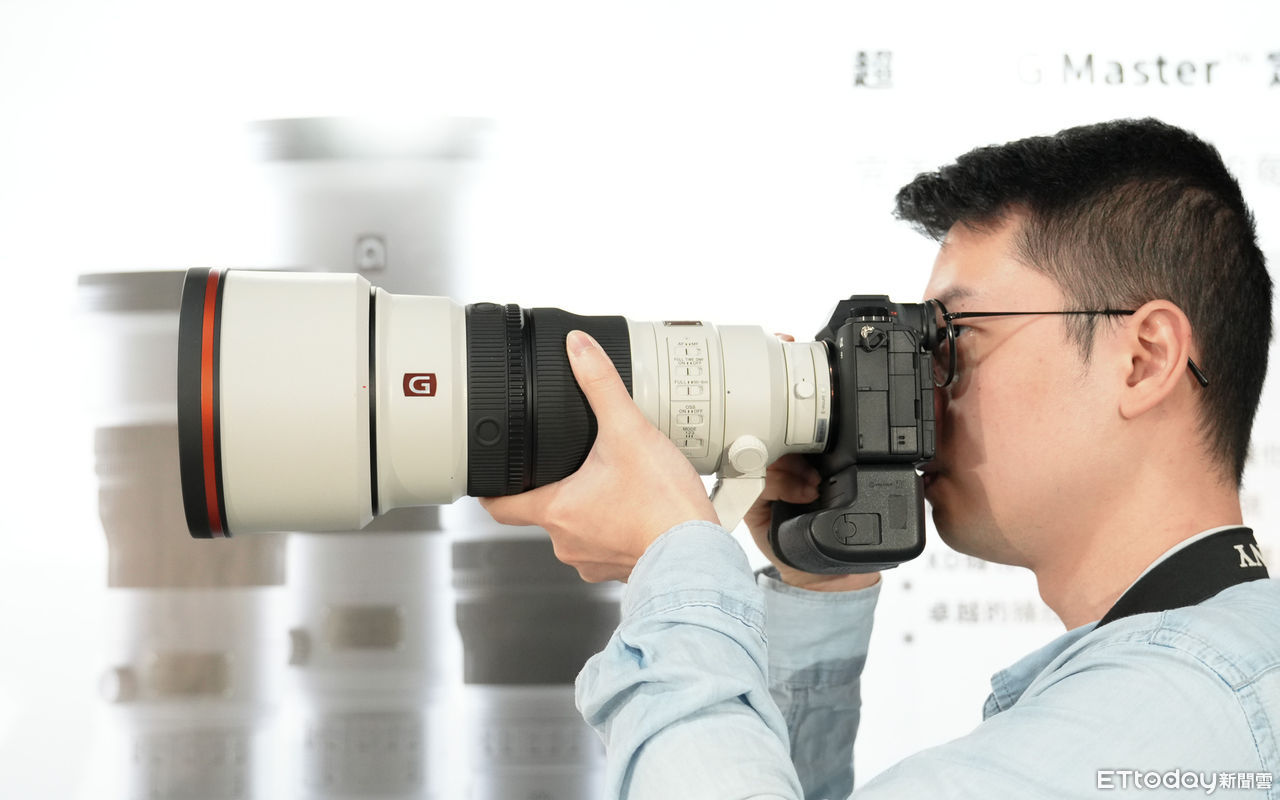
當然如果你會擔心錯過快門時機,a9 III 機身支援預拍功能,最快可以提前 1 秒至 0.005 秒記錄畫面,專門針對不可預測的拍攝情境所設計的功能。
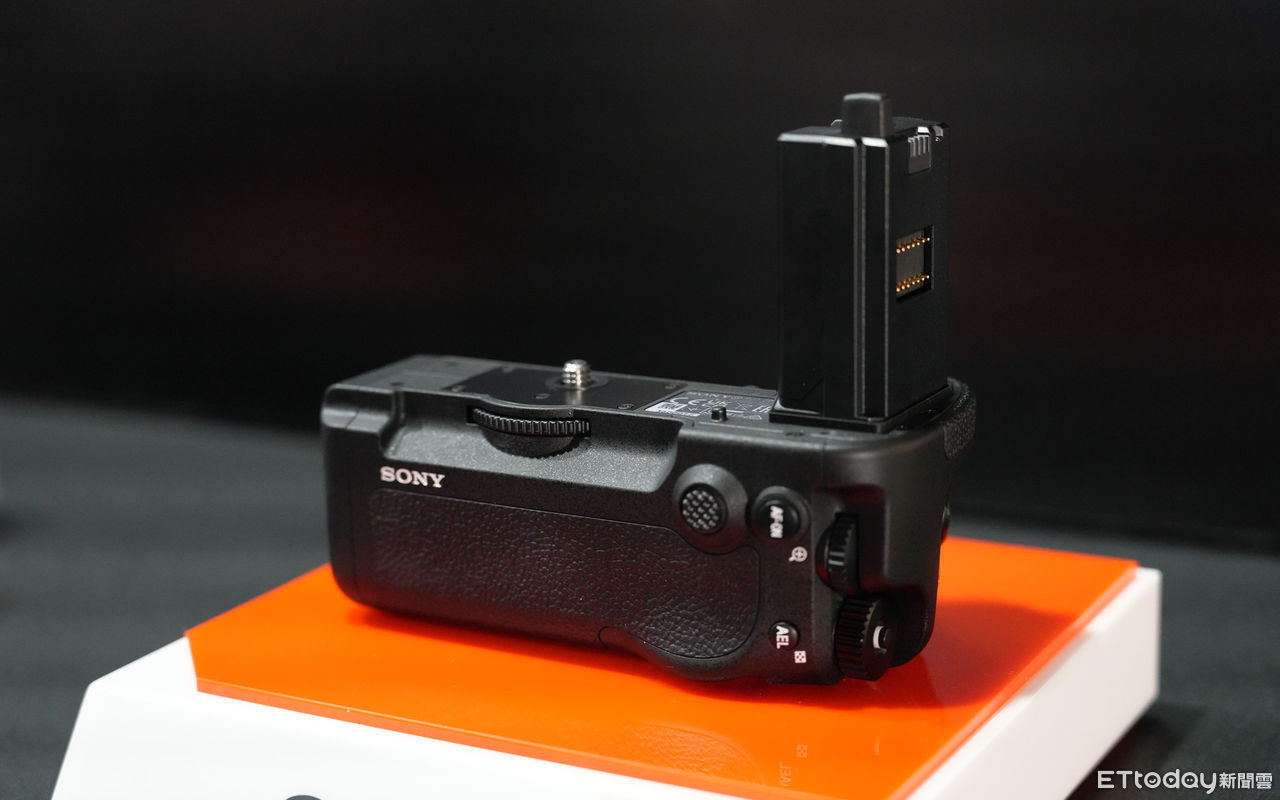
主打高速攝影的 a9 III 自然具備連拍加速功能,可透過自訂按鈕快速切換從低速到高速連拍模式,這對於需要迅速反應的攝影師來說是一個非常實用的功能,使得 a9 III 成為專業攝影師在快速變化的攝影環境中的理想選擇,像是體育攝影、野生動物攝影還是其他需要快速反應的場合,都會是 a9 III 的主戰場。
Back
Tech Computing
Meta Expands Its Mixed Reality Beyond the Quest Headsets
Meta opened the Quest Horizon OS to others, and now VR headsets from Asus, Lenovo and even an Xbox variant are on the way.
Scott Stein Editor at Large I started with CNET reviewing laptops in 2009. Now I explore wearable tech, VR/AR, tablets, gaming and future/emerging trends in our changing world. Other obsessions include magic, immersive theater, puzzles, board games, cooking, improv and the New York Jets. My background includes an MFA in theater which I apply to thinking about immersive experiences of the future. Expertise VR and AR | Gaming | Metaverse technologies | Wearable tech | Tablets Credentials Nearly 20 years writing about tech, and over a decade reviewing wearable tech, VR, and AR products and apps See full bio Scott Stein
April 22, 2024 9:17 a.m. PT 2 min read More Meta-compatible mixed reality and VR headsets are coming from third-party manufacturers. Scott Stein/CNET As the VR-AR wars heat up between Meta, Apple, 台中相機收購sony and eventually Google and Samsung, Meta CEO Mark Zuckerberg just made a fascinating chess move. Meta just announced that its VR OS, now called Horizon OS, will work on devices beyond the Quest. And partners are already coming: Asus, Lenovo, and Microsoft.The news, delivered in a blog post Monday, reveals that Meta’s OS will be open to third parties. Future headsets will all be able to connect via the same Meta Quest app on iOS and Android that currently exists, but its name will change to Meta Horizon. Watch this: Meta Expands Its Mixed Reality Beyond the Quest Headsets Explainer
01:56 Asus is making a “performance based” VR gaming headset under its Republic of Gamers brand, according to the post. Lenovo is also planning to make VR devices compatible with Meta Horizon OS. (Lenovo made the Oculus Rift S PC-connected headset with Meta, and it’s made lots of VR and AR products over the years.) According to Meta, Lenovo’s headsets will focus on “productivity, learning and entertainment.”There will also be an Xbox-branded Meta Quest coming as a limited-edition “inspired by Xbox” product with some involvement by Microsoft, although Meta’s vague on the details.There are some big changes coming to how the Quest mixed reality software works, though: App Lab, a semi-hidden part of the Quest app store that’s been a big source of emerging software for years, is going to be a more visible part of the app store soon. Meta is also promising an open mixed-reality framework, so all these headsets and developers can start figuring out how AR-like experiences on future headsets can work better.Meta’s CTO, Andrew Bosworth, hinted to CNET in a conversation a few weeks ago that Meta’s upcoming VR and AR devices could start expanding into new, more focused variants. That’s exactly what this move seems like: a chance to expand Meta’s footprint with other brands and designs. A fitness-focused headset would also seem like a logical move, but there’s no news on that front yet.Will these “open” moves give Meta a better VR and AR foothold compared with Apple’s Vision Pro? How about whatever Google and Samsung are developing for their first mixed reality product? Is it even possible that Google and Samsung’s device — or even Apple’s, at some point — could work with Meta’s Horizon OS, too? It’s hard to tell, but anyone who’s been shopping for a Quest headset might want to think about whether they want to wait and see what all these other Quest-like headsets coming down the road could end up delivering, too.
Computing Guides
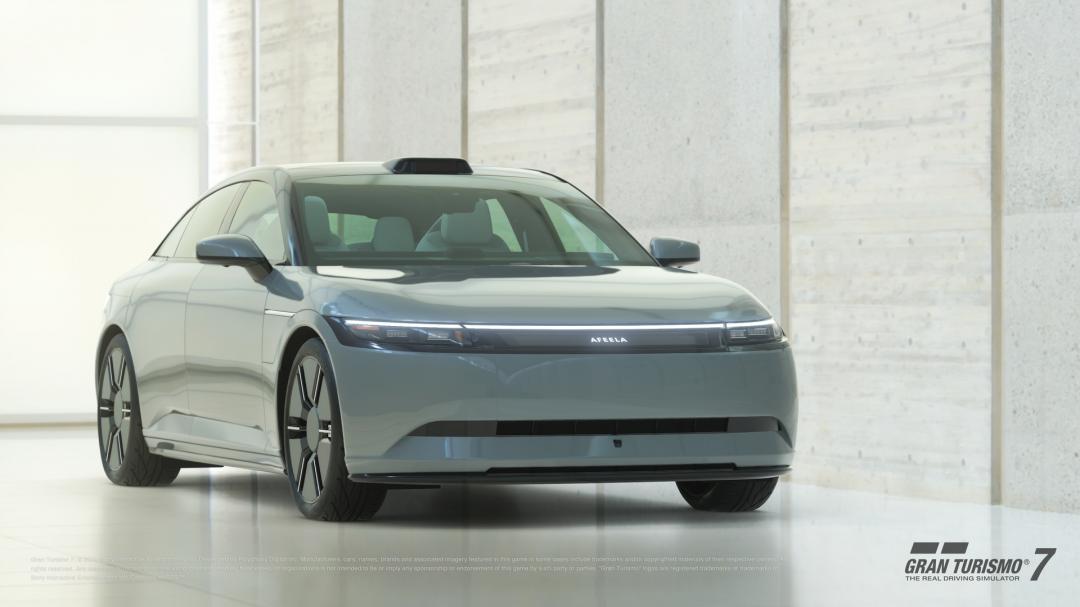
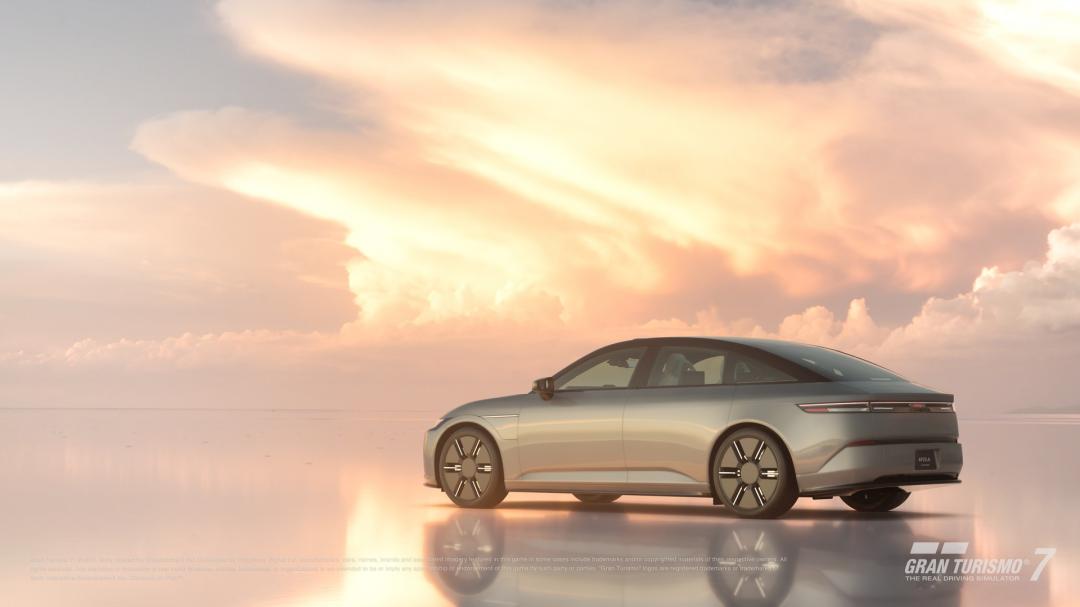
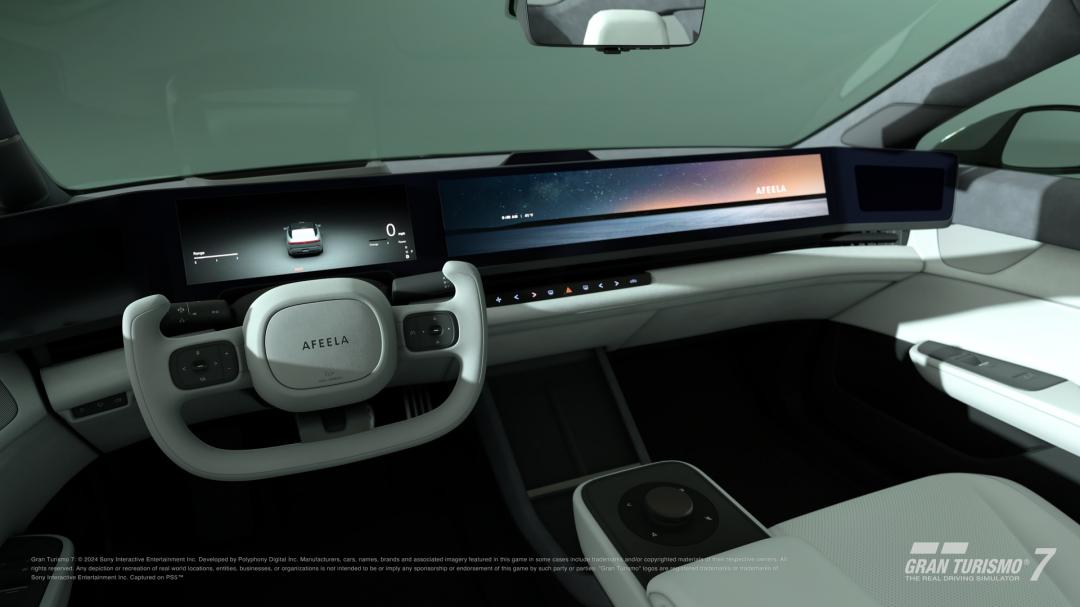
《跑車浪漫旅7》在最新釋出的4月更新,新增了AFEELA Prototype 2024,以及Chevrolet Chevelle SS 454 Sport Coupe ’70、Škoda Vision Gran Turismo三款車輛。台中相機收購sony表示:「在車子實際上市前,希望大家在遊戲中盡情享受AFEELA。」
請繼續往下閱讀…
(圖/官網)。
(圖/官網)。
(圖/Meta提供)
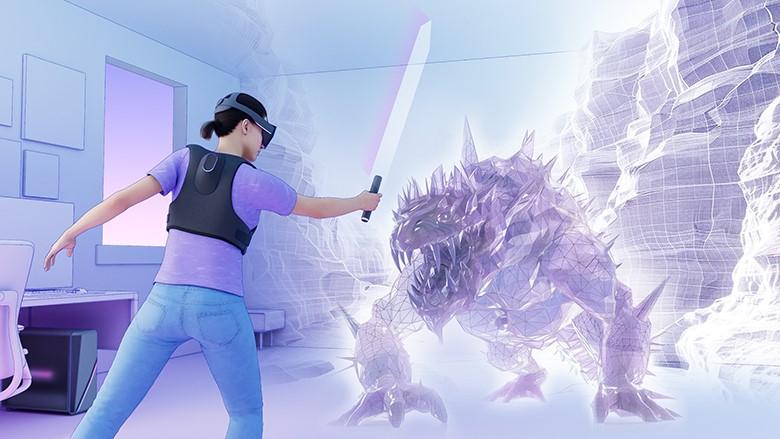
隨著蘋果 Vision Pro 發表,各界搶攻虛擬實境商機!除了要比拚生產力,遊戲更是許多品牌著眼之處。隨著 Meta 正式開放 Horizon 作業系統,現在華碩 ROG、微軟 Xbox 都確定要搶推電競 MR 頭盔。
根據 Meta 最新公告,華碩 ROG 確定將以 Horizon 系統開發新款的「高效能電競頭戴式裝置」,為品牌首次進攻虛擬實境。另外,Meta 也會與微軟 Xbox 團隊攜手,帶來一款限量款的 Meta Quest,或將以虛擬實境來延伸 Xbox Cloud Gaming 雲端遊戲的體驗。上述頭盔均會使用高通 Snapdragon 處理器,具體規格、功能則尚未公開。
請繼續往下閱讀…
比起文書辦公,遊戲是虛擬頭盔當前最主要的應用場景,包含 Meta 的 Quest 頭盔、台中相機收購sony PSVR 2 還有 HTC VIVE,都已經有相當豐富的遊戲資源。然而,過往想要投入虛擬頭盔的開發,不只得設計硬體,還得兼顧軟體的系統平台、拉攏開發者投入,隨著 Meta 開放第三方 Horizon 系統,像是以硬體生產為主的華碩,就能輕易套用並且推出屬於自己的虛擬頭盔,提供消費者更多選擇。

:format(webp)/cdn.vox-cdn.com/uploads/chorus_asset/file/19426740/vpavic_191126_untitled_0028_2_Edit.jpg)
:format(webp)/cdn.vox-cdn.com/uploads/chorus_asset/file/19416030/FF7_SCREENSHOT1.jpg)
:format(webp)/cdn.vox-cdn.com/uploads/chorus_asset/file/19416031/screen_2.png)
:format(webp)/cdn.vox-cdn.com/uploads/chorus_asset/file/19416032/FFIX___Screenshot_06_bmp_jpgcopy.jpg)