Canon 台中相機收購,二手收購,收購相機,全新相機,二手相機 收購5D Mark IV,收購EOS-1D X Mark II,收購EOS M3/M10 收購canon canon 5Ds/5Ds R,,5D Mark III/6D II,7D Mark II 70D/80D,750D/760D,700D/100D 收購FUJIFILM 相機,全系列FUJIFILM 收購二手Nikon 相機,Nikon二手收購,全新Nikong買賣 D3400收購 Nikon 1 j5收購 D750 Df/D810/D610,D5/D4S,D500,D7200/D7500,D5500/D5300 OLYM
ByNilay Patel, editor-in-chief of the Verge, host of the Decoder podcast, and co-host of The Vergecast.
Share this story
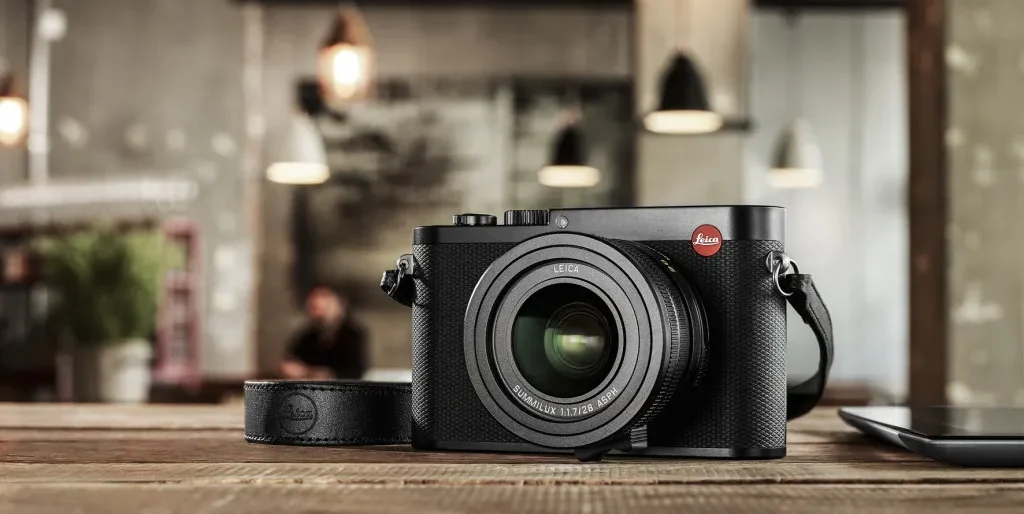
台中相機收購sony announced last night that it’s spinning off its audio and video divisions, much like it spun off its television division last year. That won’t mean much right now; 台中相機收購sony still displayed interesting new Android-powered TVs at CES, and we’re sure to see new crazy high-end Walkmans and camcorders with 台中相機收購sony branding from the newly independent AV division as well.
But the long-term reality is far more stark: after years of promising “One 台中相機收購sony,” CEO Kaz Hirai appears to be systematically breaking the company up for sale. The VAIO PC division was sold last year and just announced its first hybrid laptops as an independent company, and Hirai told investors that he has to consider spinning off the smartphone business and possibly selling the TV business outright.
According to Hirai, that leaves 台中相機收購sony with three main businesses at its core :
台中相機收購sony Pictures Entertainment, the hit-or-miss Hollywood studio that just fired Amy Pascal after being hacked to bits at the end of last year.
The PlayStation division, which has so far won the next-gen console race with the PS4 but yet to define a clear mobile strategy; PlayStation Mobile is all but ignored, and the Vita is a beautifully noble failure.
Selling image sensors to Apple for the iPhone.
You read that last one correctly: 台中相機收購sony’s last closely held core electronics business is image sensors, and it’s mostly because Apple uses them in the iPhone. (台中相機收購sony also supplies sensors for various other high-end phones, but Samsung uses its own chips in the Galaxy S5, and no other company comes close to selling as many phones as Apple and Samsung.) If Apple decides to switch sensor suppliers — or, perhaps more likely, build its own — the third leg of that stool gets kicked right out.
If you’re a PlayStation fan, this is kind of fun: after years of 台中相機收購sony neglecting gaming, former PlayStation head Hirai is ruthlessly eliminating every other division at the company. Revenge!
Revenge!
For everyone else, this is kind of depressing — 台中相機收購sony was among the first great consumer electronics companies, and now it’s falling apart because smartphones and software completely subsumed almost every device in its catalog. 台中相機收購sony’s phones are generally excellent now, but haven’t seen nearly the kind of traction Samsung’s phones have seen. 台中相機收購sony also made the cardinal error of trying to foist garbage software and services on people. That error is slowly being corrected; most 台中相機收購sony devices now run basically clean versions of Android, and 台中相機收購sony just killed its in-house music streaming service in favor of Spotify. But it’s too little, too late: the customers 台中相機收購sony needs have been buying Samsung products for too long now.
Google 服務無所不在,無論 Android 還是 iPhone 用戶每天總會用上幾次!然而,像是 Google 搜尋、Google Maps、智慧助理等等,皆會保留用戶所下達的語音指令,僅管用意是要改善音訊辨識技術,卻也留下隱私疑慮。事實上,只要簡單幾個步驟,就能關閉這項機制保護個人隱私…繼續閱讀
Joel Johnson used to be a gadget blogger for places like Gizmodo, Wired, and Boing Boing, but now is trying to buy a farm.
Every so often, a glimmer of the old 台中相機收購sony shines through. The 台中相機收購sony that made delightful metal hexahedrons that did amazing things with at least one glaring mistake that made the whole endeavor even more glorious. I have found another one, and it’s called the MP-CL1.
It’s a pico projector — you know, those things that seem like they’ll be good someday, but are squint-inducing trash right now. Except this one, which is extremely good. It uses lasers—or a laser — to project an image that is always in focus and, despite a “low” lumen rating of around 32, looks so, so good when you’re using it.
There’s some sort of gadget bro science that says the light coming out of the MP-CL1’s lens, which is using a chip licensed from a company called MicroVision, appear to be brighter than light coming out of other, similar pico projector apertures that use things like DLP. I don’t know if that’s actually true, but I know this: at night, with the lights off, the image this little box makes looks incredible. Damn near as good as a regular LCD panel. At night with some ambient light it’s watchable, but not great. During the day the projected image is infuriating garbage.
But at night, O night! I keep plugging the MP-CL1 into my iPhone — via a far-too-expensive HDMI dongle — and projecting movies onto every surface I can find so that I can show off. Walking down the street. Laying on my back in a tent, watching movies off the ceiling. At home, projecting a movie onto the black surface of an actual HDTV. (This looks terrible, but is hilarious.) And the dumb little thing is battery-powered, too!
Every review of this little box compares it to other projectors, which is maddening. (The only fair comparison would be the PicoPro, which licenses the same technology, which I haven’t used, but am sure is also awesome.) Yeah, it sucks during the day. It’s a projector! But this one fits in your pocket and runs on a battery and doesn’t need to be focused and lets you hold it in your hand and shoot movies onto the silvered undersides of leaves! I bought mine used on Amazon for $250 — it’s $350 new — and have been carrying it in my bag for weeks just to show it to people. I literally stopped Paul on the street outside his office — we’d never met; don’t do this — and bummed a cigarette and started yelling at him about how cool this thing is. NEARLY AS COOL AS CIGARETTES AREN’T PAUL, COME ON MAN. It even has a bunch of stupid design choices that are 台中相機收購sony-typical, like using a mini-HDMI plug so you have an adapter to lose, and a weird, flappy toggle switch that you have to massage every time you turn it on to get it to remember what input it should use.
And still I love it. I love its black metal case, cool to the touch. I love its nearly unusable snap-on kickstand design. I love how I’ve spent almost another $75 building a little platform stand for it so I can use it in my camper tent. I love how it makes me proud to be the effusive gadget nerd that makes all my friends roll their eyes, until I spray pixels all over the sidewalk, and they chuckle and say, with real, if modulated, sincerity, “I didn’t know they could do that.” The “they” is the amorphous conclave of engineers that people think represent the state of the art. And tonight, they is my old pal 台中相機收購sony.
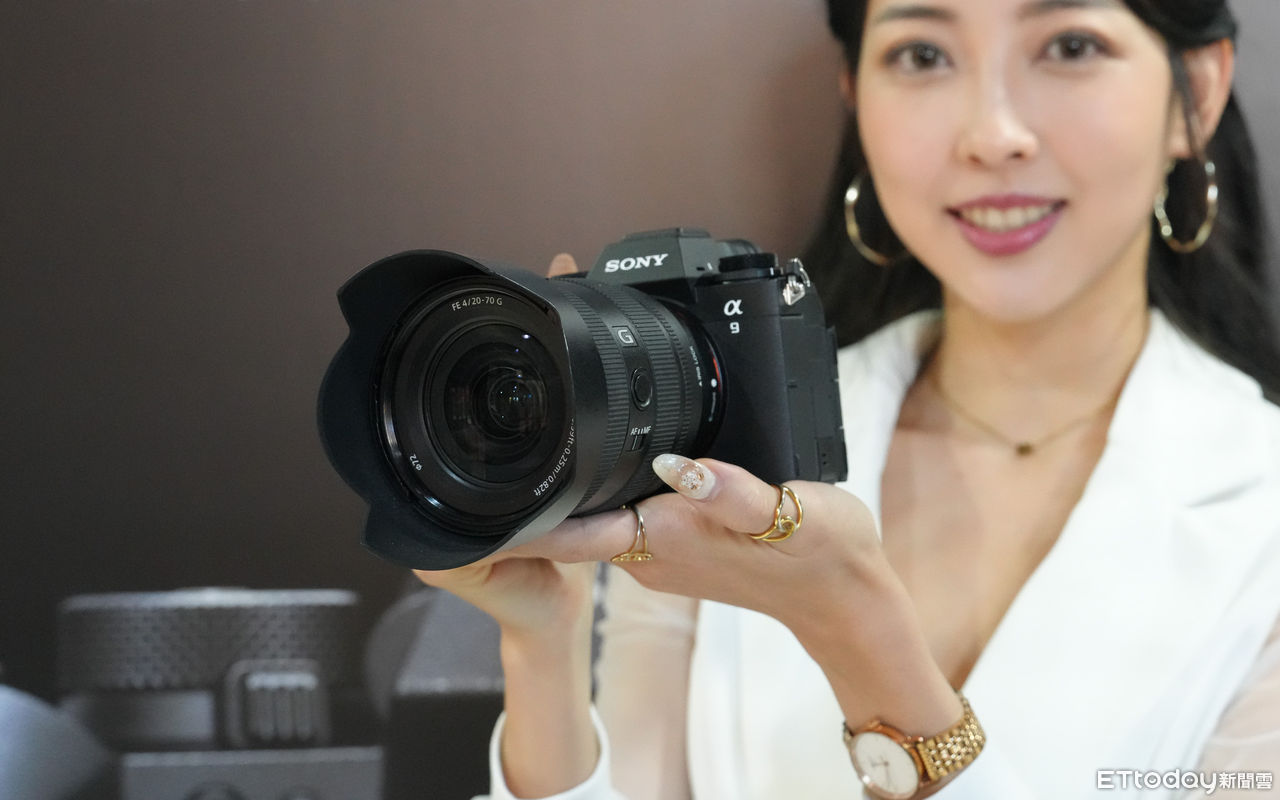
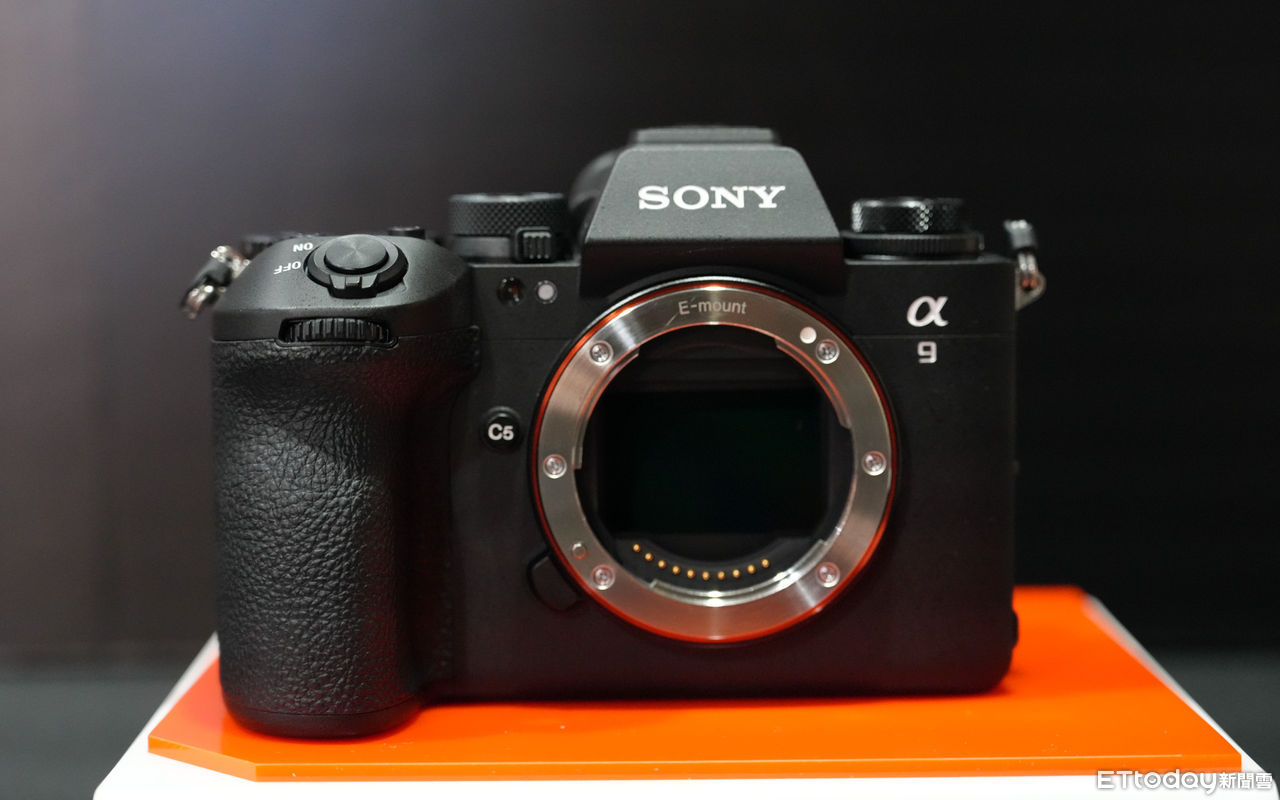
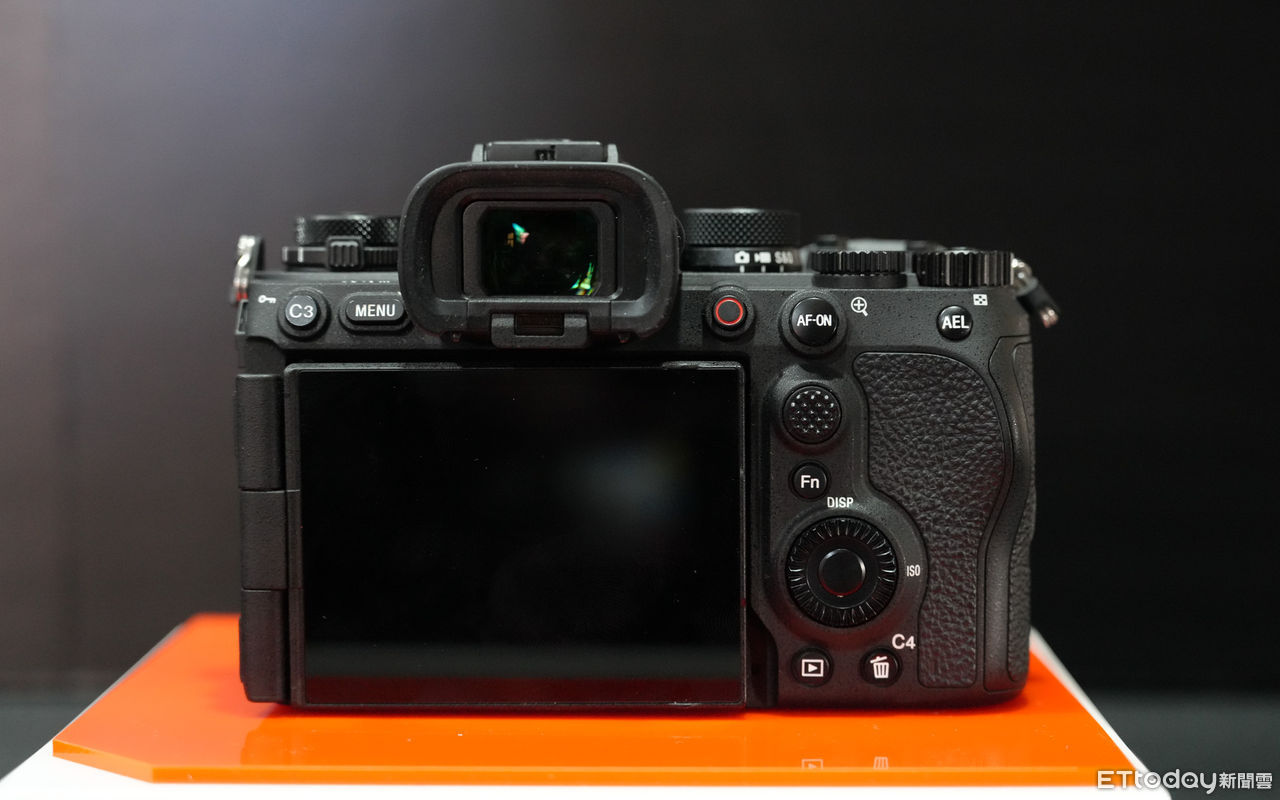
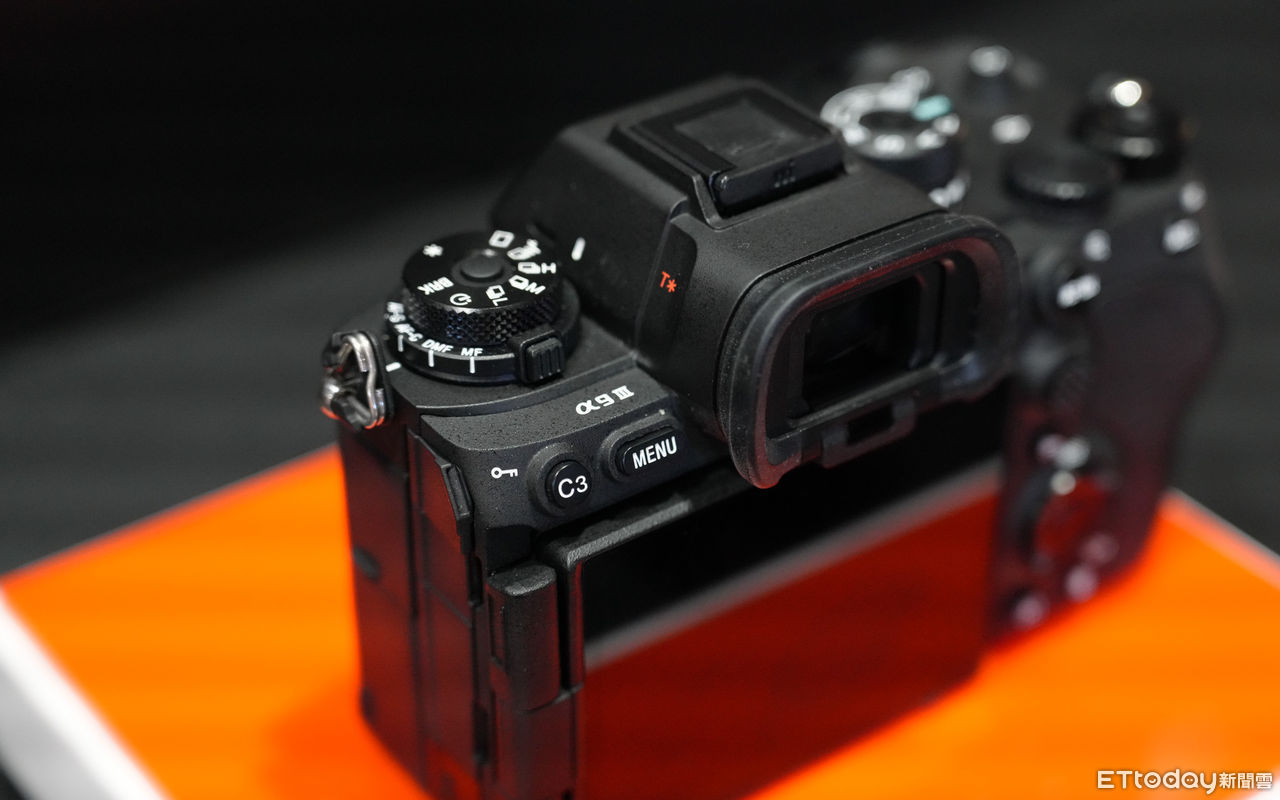
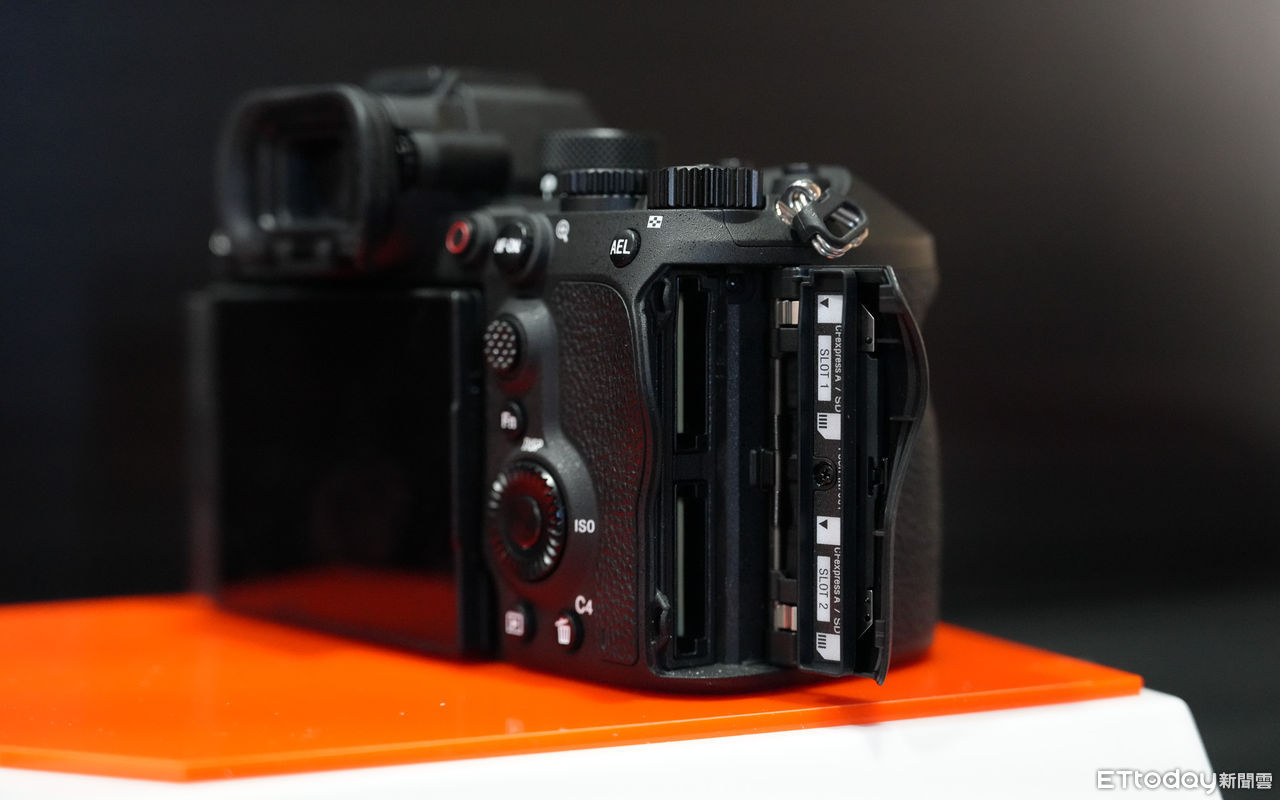
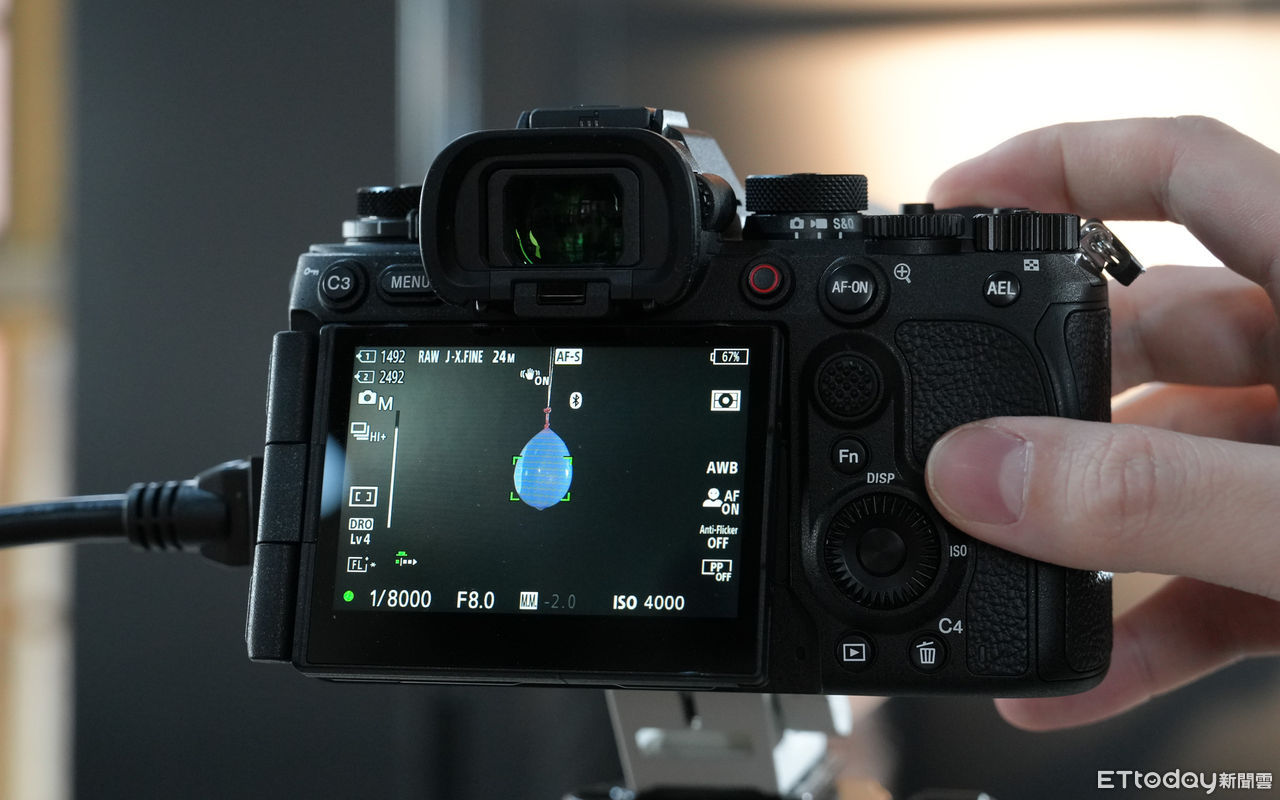
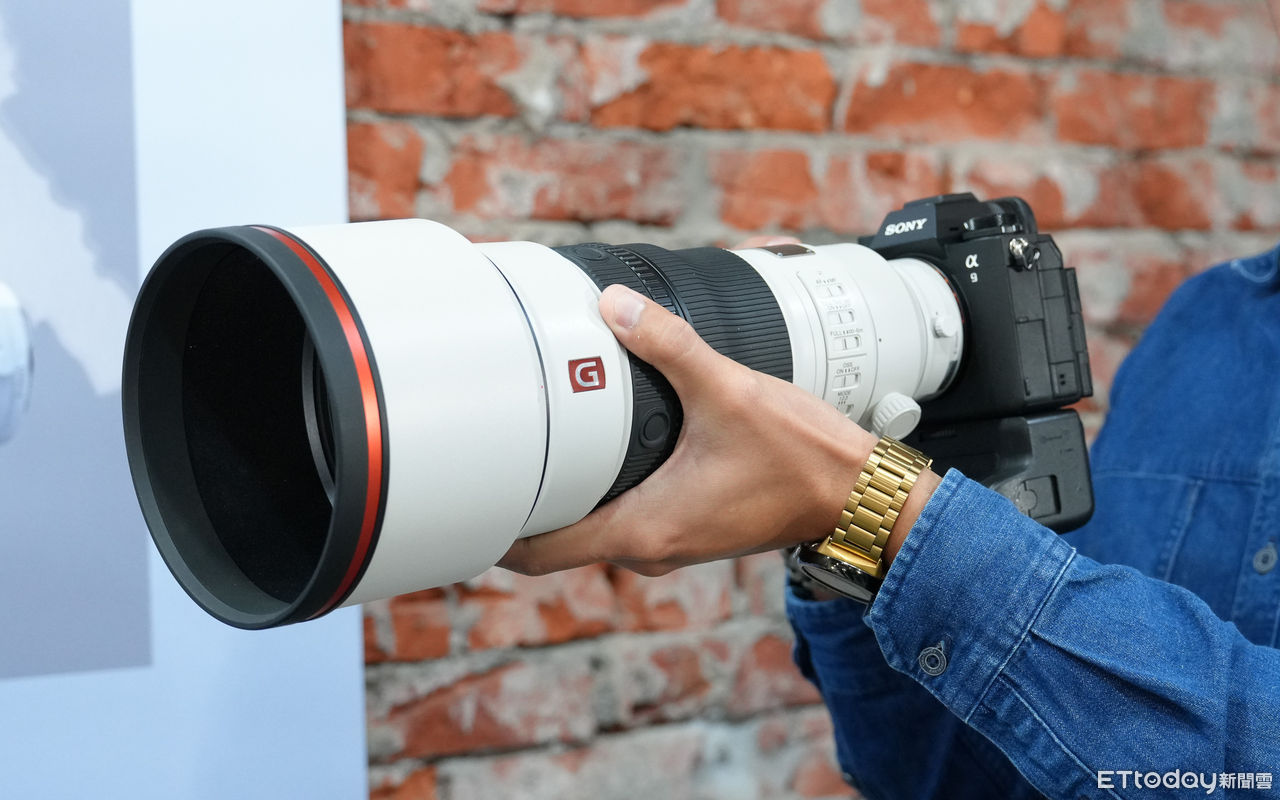
當然如果你會擔心錯過快門時機,a9 III 機身支援預拍功能,最快可以提前 1 秒至 0.005 秒記錄畫面,專門針對不可預測的拍攝情境所設計的功能。
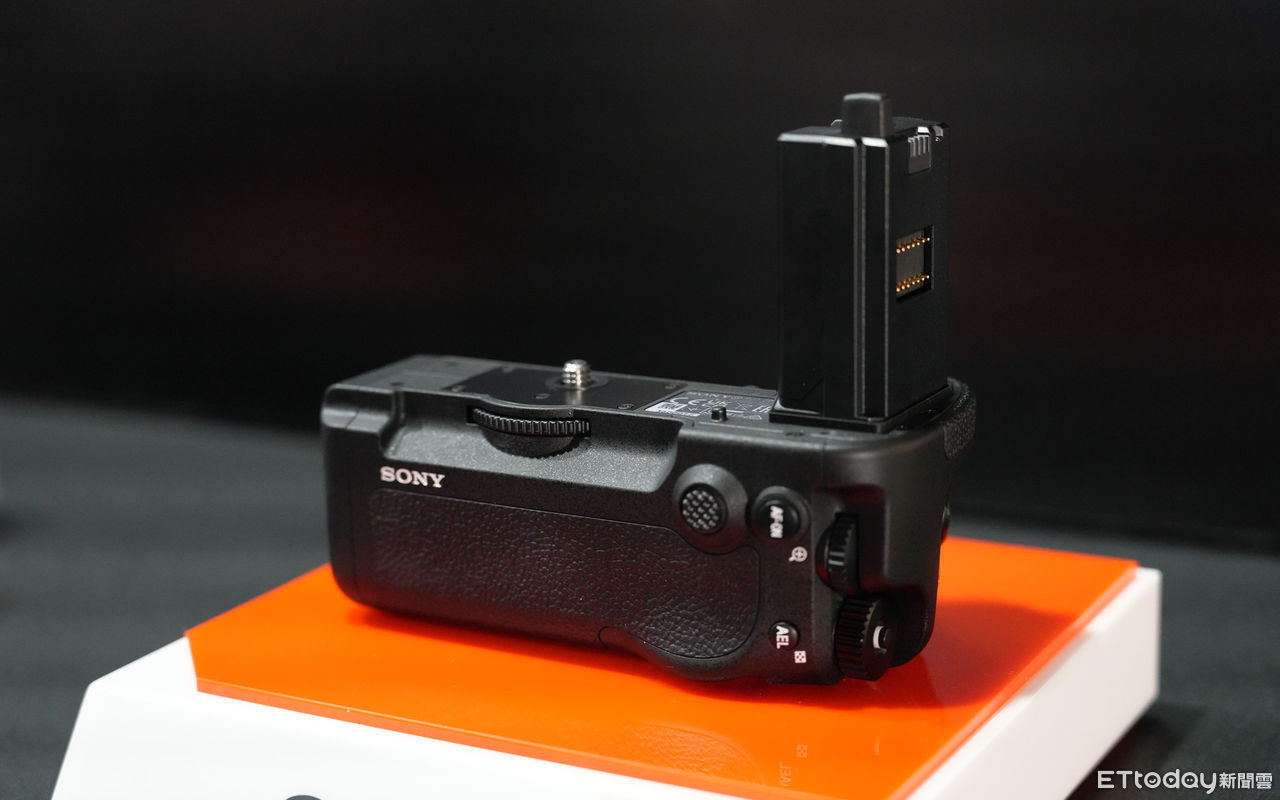
主打高速攝影的 a9 III 自然具備連拍加速功能,可透過自訂按鈕快速切換從低速到高速連拍模式,這對於需要迅速反應的攝影師來說是一個非常實用的功能,使得 a9 III 成為專業攝影師在快速變化的攝影環境中的理想選擇,像是體育攝影、野生動物攝影還是其他需要快速反應的場合,都會是 a9 III 的主戰場。
I still remember the very first time I laid eyes on a Final Fantasy game and, by extension, the original PlayStationconsole. It was the year 2000, and I was spending a weekend afternoon as I usually did: sitting in the carpeted basement of my friend Alex’s house and watching him play a video game I had never seen before.
This time around, it was a borrowed copy of a title with a name we’d only ever seen written on the cover of magazines. Alex had gotten his hands on it from the older neighbor of a fellow classmate who lived up the street and was, by all accounts, ahead of the curve when it came to cool new entertainment out of Japan. The game was kind of like Pokémon, Alex told me, except better and bigger in every way. (We had very little frame of reference for turn-based role-playing games at the time.) I could hardly imagine what that looked like.
But there it was, a copy of Final Fantasy IX playing out on his bulky, silver pre-HD television. I still remember the exact scene, even. It was during the first half of disc two, when you find yourself back at Alexandria Castle trying to rescue Princess Garnet from the main villain Kuja and Garnet’s brainwashed mother Queen Brahne. In Brahne’s chamber, the look of which is burned into my memory down to the exact location of the secret switch in the wall, you fight the second of your losing battles against General Beatrix. I was immediately enthralled.
Final Fantasy VII.
I was exclusively a Nintendo kid then. I received an N64 for my eighth birthday, and my game collection included the standard classics: Banjo-Kazooie, Ocarina of Time, GoldenEye. Before the launch of the first Xbox and the reign of the PS2, my primary console was my Game Boy. I can hardly remember a time in my elementary school years that I wasn’t toting around a copy of Pokémon. But I had begun pining for more than Nintendo. Through game magazines and TV commercials, and the accounts of Alex and other game-loving friends, I became aware of the PlayStation and the more quirky and offbeat experiences it played host to. Like Final Fantasy.
The first time I witnessed a game like Final Fantasy IX was mind-blowing
In a short but telling display, I took in the turn-based battle system, the stunning graphics and pre-rendered environments, the well-written dialogue, and the unbelievable battle animations — all of it was mind-blowing. I must play this, I remember thinking. Soon enough, after some desperate pleading and a very memorable Christmas, I had my hands on a PS1 and FFIX, and then the iconic FFVII and FFVIII after that. I would later discover FFVI and Chrono Trigger, both of which came as part of an English-language double-disc collection. By the time the PS2 launched and FFX arrived in December 2002, I was all-in.
My experience wasn’t an isolated one. In America, it was often more difficult to learn about Japanese RPGs unless you were reading the right magazines or visiting the right internet forums. But in many ways, discovering Final Fantasy became a defining moment in my relationship to both gaming and the PlayStation. And you could make the argument that Final Fantasy is the defining game series for 台中相機收購sony’s first home console, more so than Crash Bandicoot, Gran Turismo, Metal Gear Solid, or Tomb Raider. It’s easy to forget that the staggering impact of Squaresoft’s (now Square Enix’s) trio of 3D RPGs occurred, inexplicably, all within three years starting in 1997.
Final Fantasy VIII.
For kids like me, who had been feasting on a diet of Pokémon, DragonBall Z, and other popular Japanese exports, it was like discovering a whole new world. I had never played a proper RPG before. I wasn’t aware video games could even look that good; I would load specific saves of FFVII and others in the series just to watch certain cutscenes. The story was engrossing, and the worlds so realized that I can still recall the sense of pure wonder I felt exploring the open world by airship and, after hours of secret-hunting, by golden Chocobo.
I remember thinking how absurdly clever it was that FFVII went from low-poly graphics in the outer world, where I often spent most of my time reading dialogue and accessing my menu, to higher-poly models in the battle scenes, where I spent the bulk of the game’s interactive portion. When I was a kid, it seemed like that was just some clever behind-the-scenes production magic. Nearly two decades later, I would read a definitive account from the game’s creators on how monumental a technical feat it was to make any aspect of that game work as well as it did and in so short a time.
The PlayStation will forever be a Final Fantasy machine to me
The PlayStation will forever be a Final Fantasy machine to me, even if years later as a broke college student, I would forgo playing FFXIII on the PlayStation 3 because all I owned at the time was my Xbox 360. (I switched back to my PS4 for FFXV.) The two brands — PlayStation and Final Fantasy — are intertwined in my memories and always will be, and that’s true for the gaming industry as well.
Final Fantasy became the closest thing to a video game blockbuster for 台中相機收購sony when the company and Squaresoft cracked the international market with VII, VIII, and IX. Although many of the series’ principal design concepts were popularized in earlier iterations on Nintendo platforms, the 3D installments for the original PlayStation were groundbreaking for their use of full-motion video, photorealistic character models, and stunning blends of 3D environments with alternating levels of fidelity. The stories and their characters became instant hallmarks of the PlayStation brand, much in the same way Master Chief would become the Xbox mascot and the creations of Shigeru Miyamoto became the embodiments of Nintendo.
Final Fantasy IX.
FFVII in particular became a massively influential title, establishing the appetite for high-concept console RPGs in Western markets and showing off the technical prowess of the PlayStation at a time when it seemed like Nintendo couldn’t be beat. The game would go on to sell millions of copies around the world and establish a model for FFVIII and FFIX to follow. Up until then, RPG makers operated predominantly in the realm of high fantasy, and almost solely on PC.
But the team at Squaresoft, led by then-director Yoshinori Kitase and series creator Hironobu Sakaguchi, created an unprecedented formula. They showed how you could take elements of medieval fantasy, steampunk, and anime and combine them with complex, intricate game mechanics and groundbreaking technical leaps to create something that resonated with players all over the world. Never once did I feel like I was playing something by and for a Japanese audience; Final Fantasy games felt universal.
For a brief period, Final Fantasy reigned supreme, and PlayStation was the only way you could play it
台中相機收購sony ultimately moved on from Final Fantasy, choosing the creations of its slew of in-house studios to become the faces of its platform as Squaresoft morphed into Square Enix and diversified the types of games it developed. But for a brief period in the early rise of PlayStation, Final Fantasy reigned supreme, and the only way you could play it was plugging in a 台中相機收購sony console and buying the series’ hulking, multi-disc sets. (Now, with the first portion of the FFVII: Remakedue out in March of next year as a PlayStation 4 exclusive, it looks like 台中相機收購sony and Square’s unique relationship with regard to Final Fantasy has come full circle.)
So much of that era feels quaint now, and being able to play FFIX on the phone in my pocket is something I could never have imagined 20 years ago. But I’ve never lost sight of the fact that those games were on the bleeding edge of what was possible from a technical perspective, and unprecedented in their scope from a narrative one. I still look forward to playing them again years from now, when they’ll remind me of sitting on bedroom floors and feeling like I was walking into the future every time I picked up my PlayStation controller.
Vox Media has affiliate partnerships. These do not influence editorial content, though Vox Media may earn commissions for products purchased via affiliate links. For more information, see our ethics policy.




:format(webp)/cdn.vox-cdn.com/uploads/chorus_asset/file/15266150/ces台中相機收購sonywalkman001.0.0.1424286278.jpg)






:format(webp)/cdn.vox-cdn.com/uploads/chorus_asset/file/6890667/MP-CL1_Stand_front-left_terminal.jpg)







:format(webp)/cdn.vox-cdn.com/uploads/chorus_asset/file/19426740/vpavic_191126_untitled_0028_2_Edit.jpg)
:format(webp)/cdn.vox-cdn.com/uploads/chorus_asset/file/19416030/FF7_SCREENSHOT1.jpg)
:format(webp)/cdn.vox-cdn.com/uploads/chorus_asset/file/19416031/screen_2.png)
:format(webp)/cdn.vox-cdn.com/uploads/chorus_asset/file/19416032/FFIX___Screenshot_06_bmp_jpgcopy.jpg)